Print binding is the process that transforms individual sheets of paper into a cohesive, professional presentation. Whether it’s a brochure, a manual, or a high-quality book, binding is the final touch that holds everything together while enhancing functionality and durability.

Binding is the method of securing pages together to create a finished product. It’s an essential print-finishing process that ensures structural integrity and provides aesthetic appeal. Each method has unique advantages tailored to different needs, from spiral binding to hardcover options.
When deciding on a binding solution, consider what works best for your project’s size, purpose, and budget. The correct binding makes your print look polished and effectively serves its intended purpose.
Here’s a breakdown of the most popular binding types:

Binding is more than just a practical solution; it’s a design choice that shapes the user’s experience. Here’s why binding matters:
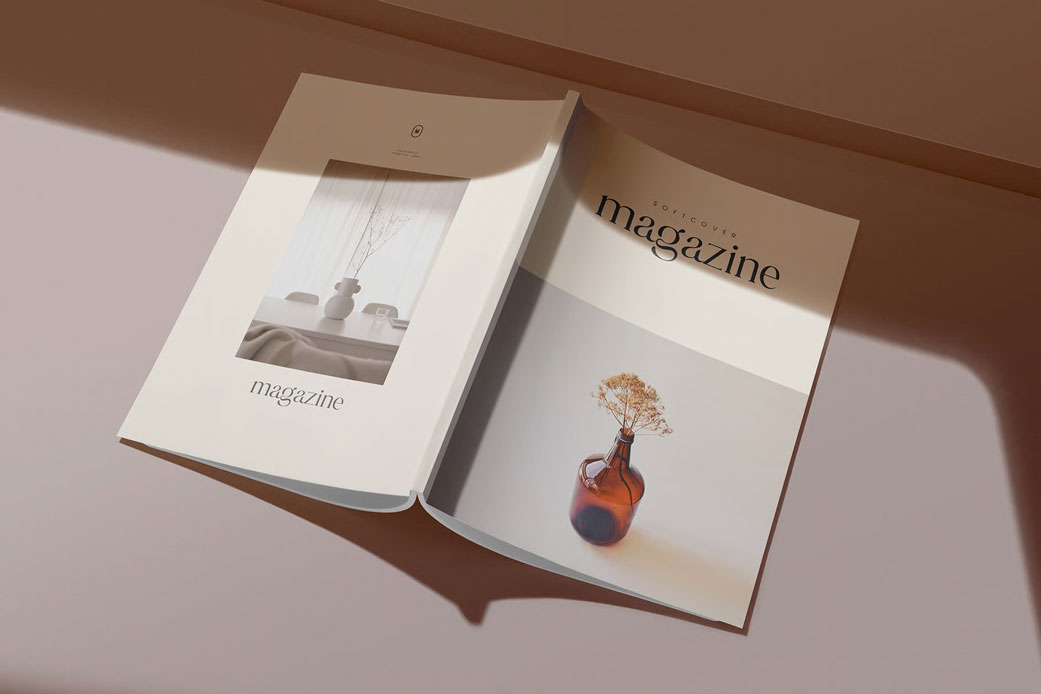
Binding can be applied to a wide range of printed materials, including:
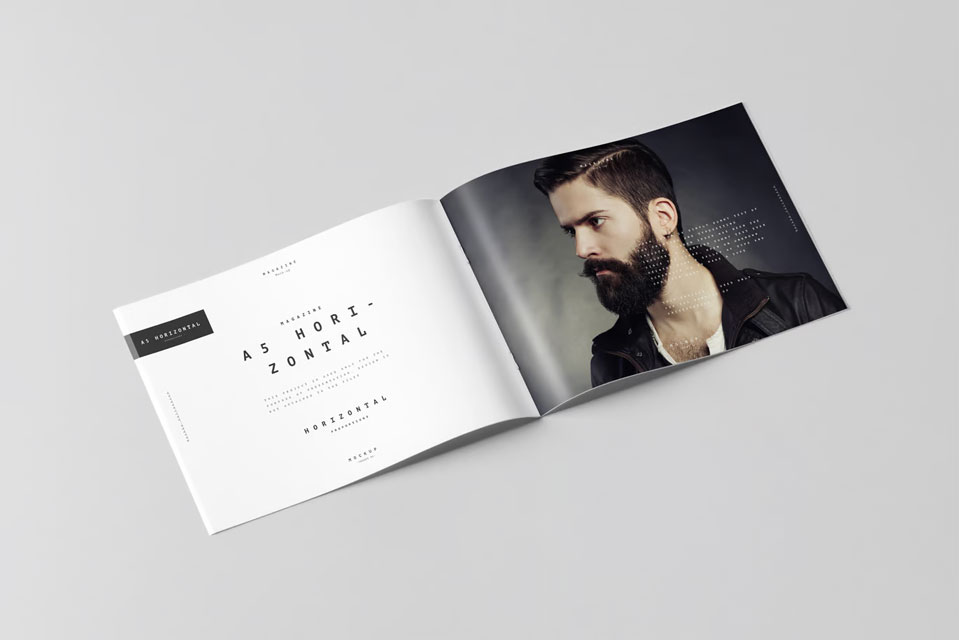
Print binding turns loose pages into polished, professional products. Whether it's a book, brochure, or catalogue, the binding method you choose influences how it looks, feels, and lasts. Let's break it down step by step.
Before binding, the pages need to be ready for action:
Your choice depends on how the finished product will be used, its size, and your budget. Here are the most common options:
Once you've picked the method, it's time to bind:
The cover isn't just for looks—it protects and reinforces the entire piece:
After binding, it's all about the final details:
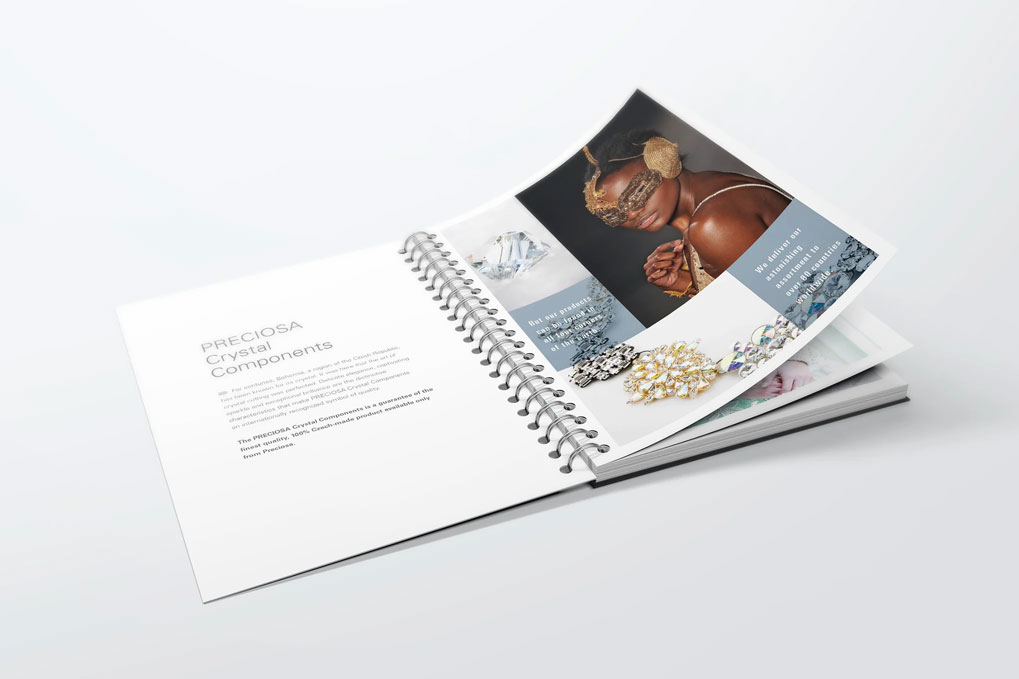
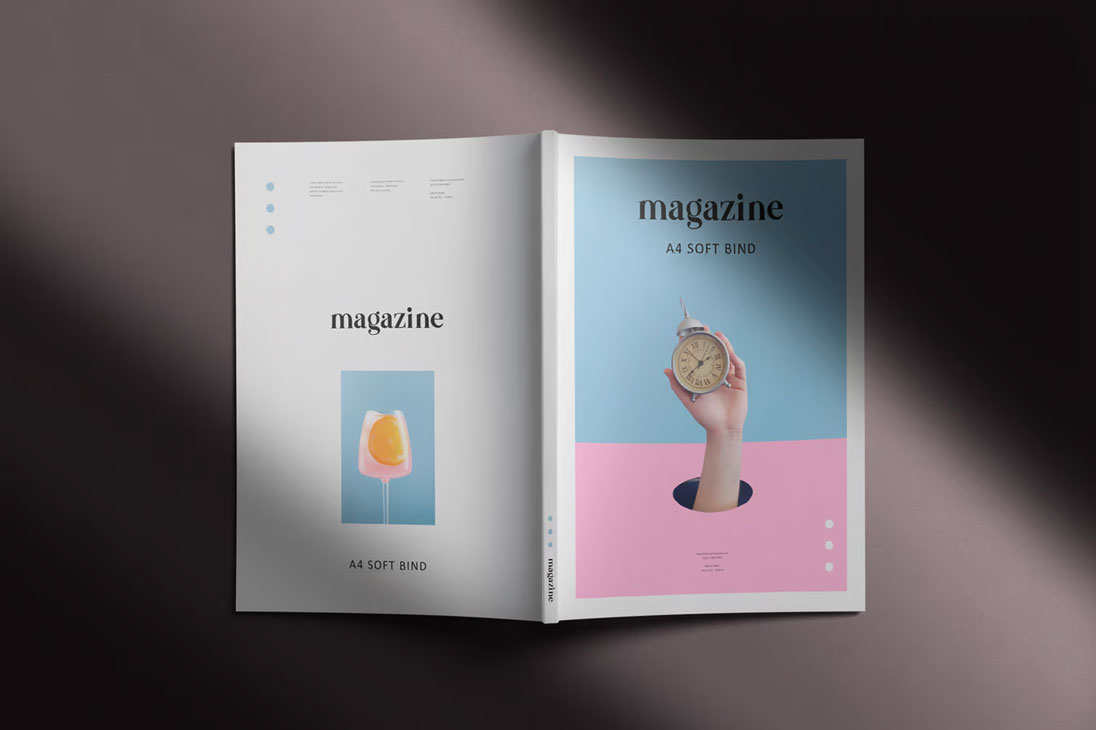
To enchance your bound materials, consider these complementary print-finishing techniques:
Every project is unique, and we pride ourselves on delivering exceptional results.
Hold it all together with our binding solutions. Call today to find the perfect binding option for your project.

