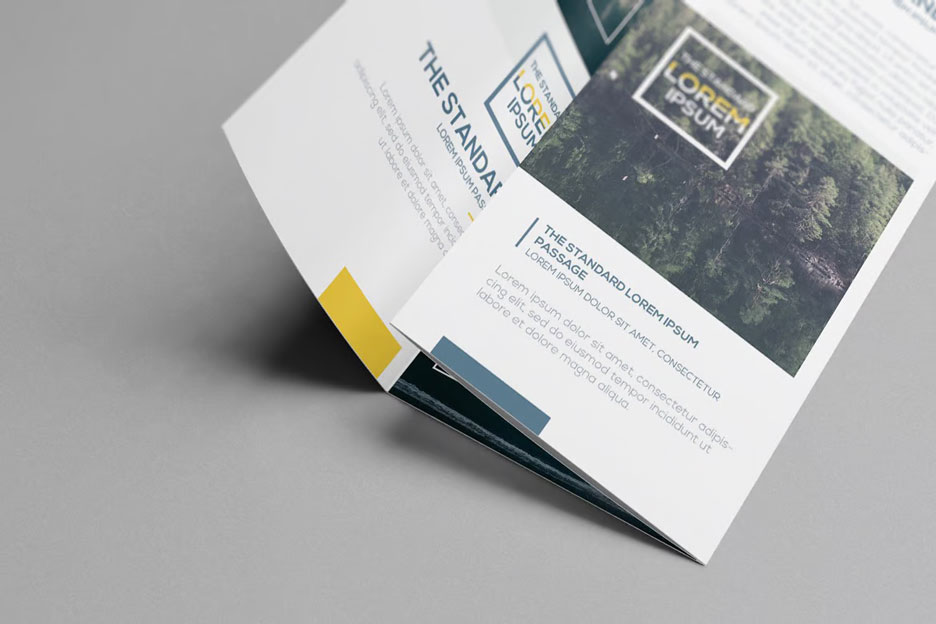
Print folding is essential in the print finishing process that transforms flat, printed sheets into functional, polished products. Whether it's brochures, leaflets, or custom marketing materials, folding adds structure and purpose to your prints, turning simple designs into engaging formats that capture attention.

Folding in print finishing is the art of creating specific shapes and configurations by bending printed materials. This process uses precision techniques and specialised machinery to ensure that folds are crisp, accurate, and aligned with the intended design. Folding isn't just about aesthetics; it plays a critical role in usability, presentation, and how the final product communicates with its audience.
From simple half folds to complex accordion or gate folds, folding techniques' versatility allows for creative customisation and functionality. It's a cost-effective way to add depth and character to your marketing materials while keeping them compact and user-friendly.
Different folding styles serve different purposes. Here are the most popular types of folding techniques used in print finishing:
The Half Fold is one of the simplest and most effective folding options. When opened, it offers a wide, uninterrupted space perfect for spreading text and imagery. This fold works exceptionally well for event leaflets, as the extra room allows for larger fonts, making the information easier to read. Also referred to as a Half or 4pp single panel fold, it’s a go-to choice for clean, impactful designs.
The Roll Fold, also known as a Barrel Fold, creates multiple panels through a series of vertical folds. Each inner page is trimmed slightly shorter, starting from the innermost right panel, to prevent bulkiness when folded. This style is often used for 6-page A4 or 8-page DL documents. Its layered layout makes it ideal for brochures and marketing materials that need a structured, step-by-step flow of information.
A Concertina Fold sometimes called an Accordion Fold, is an excellent choice for materials that need to be compact yet packed with information. It folds neatly into a slim, tidy format but expands to provide ample space for detailed content. This fold works well for leaflets with multiple sections or services but may not be ideal for promotional flyers where less is more. Paper quality and finish are crucial to ensure durability and a premium look when using this style.
The Cross Fold is created by folding a sheet vertically and horizontally in half, forming a cross pattern when opened. This format is particularly suited for large documents, such as maps or guides, that need to hold much information but can fold down into a manageable size. It’s a practical choice for any project requiring extensive detail that needs to be tucked away compactly.
The Gate Fold features panels that fold inward to meet in the middle, creating a clean, symmetrical design without overlap. Often referred to as a Window Fold, this style typically has six pages, with the largest central panel and the two side panels half its size. Gate Folds are a favourite for wedding invitations and event programmes, where elegance and simplicity are key.
The Closed Gate Fold takes the standard Gate Fold one step further by adding an extra crease in the centre, folding the leaflet in half again for a more compact design. When opened, it reveals eight equally sized panels. This fold is commonly used for mailers and can be flipped vertically or horizontally, allowing for both portrait and landscape orientations. Its versatility makes it an excellent choice for creating distinctive, memorable designs.

Folding is more than just a functional step; it's a strategic choice that enhances the impact of your printed materials. Here's why folding is a must for your next project:

To ensure your folded prints achieve the desired outcome, consider these practical tips:
Folding finds its place in a wide range of printed materials, including:
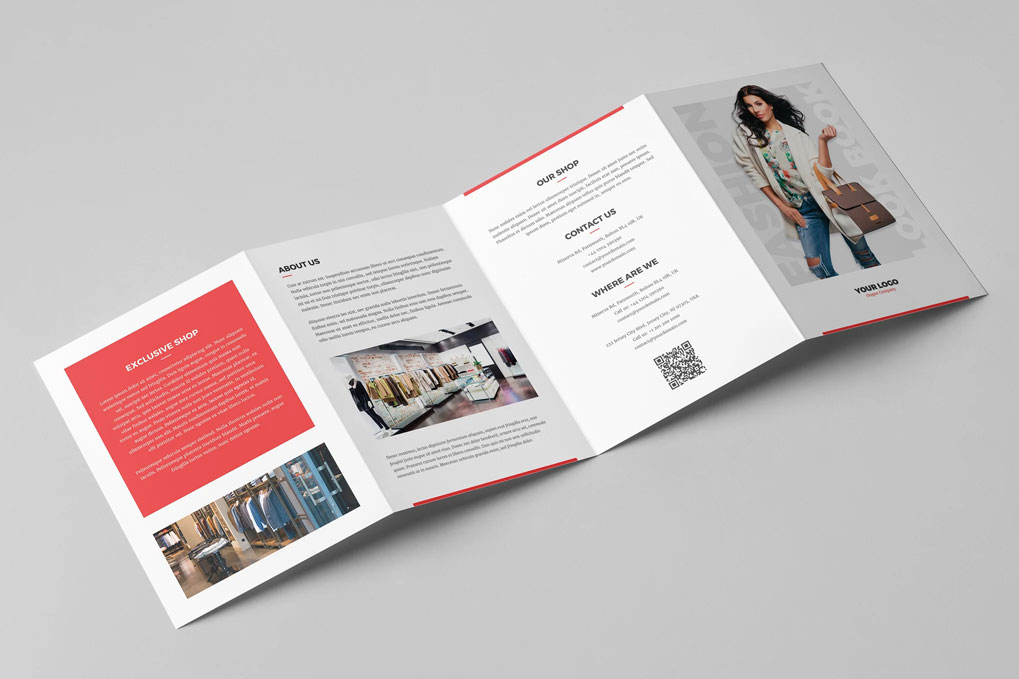
From corporate projects to creative endeavours, folded printed materials offer versatile solutions.
Print folding is fundamental in turning flat sheets into practical, eye-catching materials. It’s all about precision—getting the folds right so the final piece looks polished and works as intended. Here’s how the process breaks down:
Before we even think about folding, we get the materials ready:
For heavier papers, scoring helps prevent damage during folding:
The method we choose depends on the job’s requirements:
Different projects call for different folds. Here are some common options:
We don’t just fold and hope for the best. Adjustments make sure everything’s spot-on:
Before calling it a day, we run a thorough check:
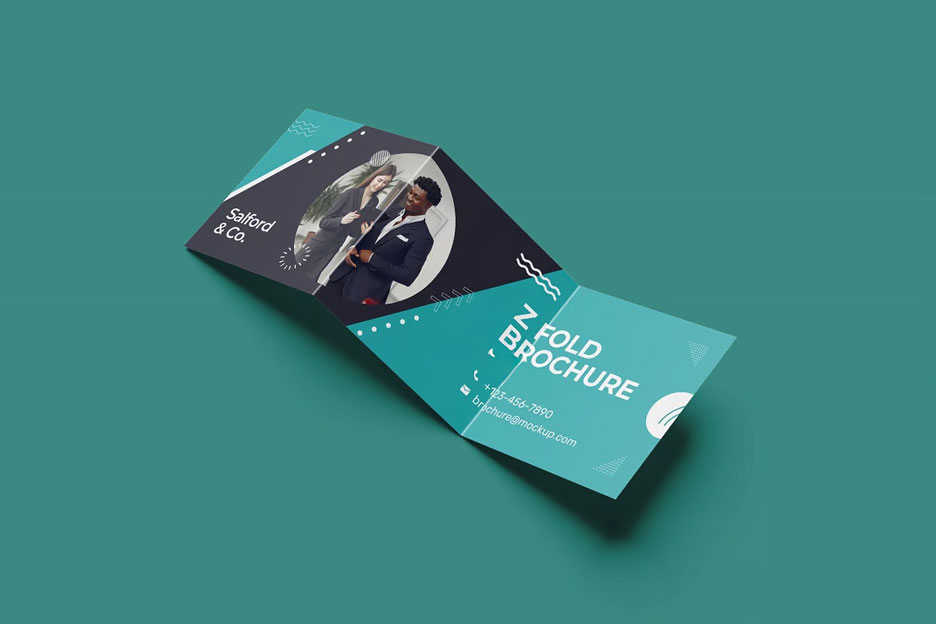

To create a complete and professional look, folding can be combined with other print finishing techniques:
Every project is unique, and we pride ourselves on delivering exceptional results.
From brochures to mailers, our folding services add the perfect touch of professionalism. Let’s fold your ideas into reality—call us today.